



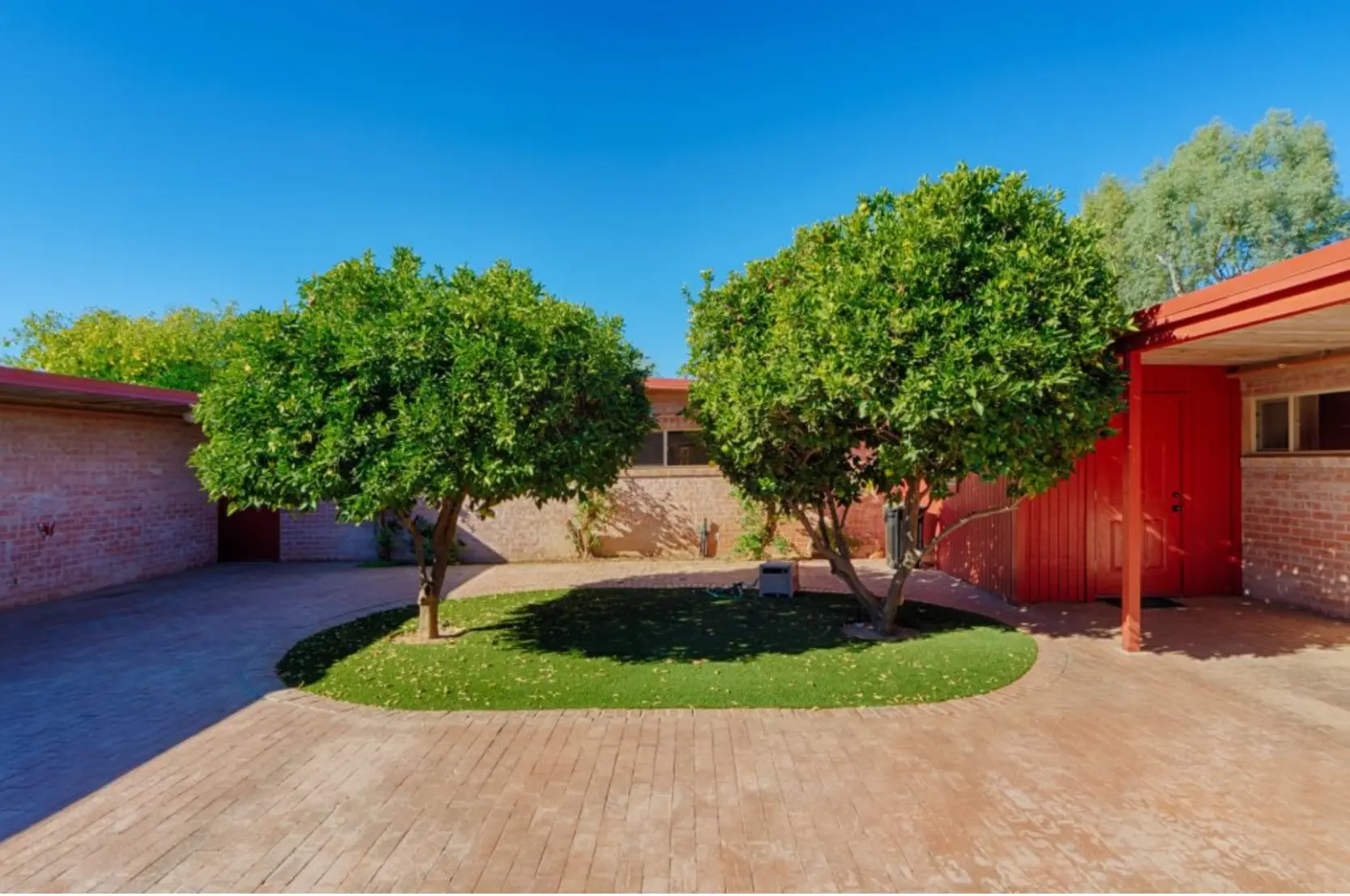
Choosing senior care can feel especially personal when a parent or loved one has lived independently in Tucson for decades. Families may be comparing help at home, larger assisted living communities, memory care, and smaller residential settings while also trying to understand what level of support is actually needed.
Residential assisted living can offer another option: a smaller, home-like living environment where older adults receive help with everyday activities while maintaining as much independence as possible.
What Is Residential Assisted Living?
Residential assisted living is senior housing provided in a smaller, home-like setting where residents may receive assistance with daily activities such as bathing, dressing, mobility, meals, and medication routines. The exact services, staffing, accommodations, and level of care vary by residence, so families should evaluate each option individually.
Unlike a large senior living campus, residential assisted living is typically designed around a smaller household environment. That can appeal to older adults who prefer familiar surroundings, fewer residents, and a setting that feels more like a private home.
For Tucson families, residential assisted living may be worth considering when an older adult needs more daily support than family members can consistently provide but does not necessarily need the type of intensive medical care associated with a skilled nursing facility.
What Tucson families should know
-
Residential assisted living generally combines housing, meals, supervision, and assistance with everyday personal needs in a residential setting.
-
Families throughout Pima County may find both small residential homes and larger senior living communities, giving them different environments to compare.
-
Tucson’s spread-out neighborhoods can make location particularly important for relatives who expect to visit frequently or help coordinate appointments.
-
The right setting depends on the resident’s physical, cognitive, social, and personal needs rather than the size of the residence alone.
-
Families should ask each residence directly about staffing, available care, safety procedures, costs, and how changing needs are handled.
Why Does Residential Assisted Living Matter for Tucson Families?
Residential assisted living matters for Tucson families because it provides an alternative between living independently and moving into a larger institutional or campus-style care environment. For some older adults, a smaller residence can make daily routines easier to navigate while keeping family members within reasonable visiting distance.
Local geography can influence that decision. Relatives may live in Catalina Foothills, Sam Hughes, Tanque Verde, Oro Valley, Marana, or other parts of Pima County. A residence that works well clinically but is difficult for family members to reach may create practical challenges over time.
Tucson’s desert climate is another consideration. Extreme summer heat can make transportation, errands, outdoor activity, and home maintenance harder for older adults who are becoming less independent.
At The Gardens at San Carlos, we believe families should have clear information before making a major care decision. Understanding what residential assisted living is, and what it is not, is an important first step.
What Does Residential Assisted Living Typically Include?
Residential assisted living typically includes a place to live plus varying levels of assistance with everyday activities. Depending on the residence and the resident’s needs, support may include meals, personal care, mobility assistance, housekeeping, supervision, medication-related support, and opportunities for social interaction.
The specific services should never be assumed. Families should ask exactly what assistance is included, what requires an additional fee, and what happens if a resident’s needs increase.
A useful way to evaluate a Tucson residence is to think about an ordinary day. Ask who helps the resident get ready in the morning, how meals are handled, what happens if assistance is needed at night, and how appointments or changes in condition are communicated.
What Are the Signs That a Loved One May Need More Support?
Signs that a loved one may need more support include increasing difficulty with personal care, meals, medications, mobility, household tasks, or personal safety. One isolated problem does not automatically mean assisted living is necessary, but several recurring concerns can signal that the current living arrangement deserves a closer look.
Watch for:
-
Frequent difficulty bathing, dressing, or maintaining personal hygiene
-
Missed meals or noticeable difficulty preparing food
-
Confusion about routine medications
-
Falls, near-falls, or increasing trouble moving around the home
-
Growing isolation or withdrawal from normal activities
-
Difficulty keeping the house reasonably clean or safe
-
Repeated missed appointments or trouble managing transportation
-
Family caregivers becoming unable to provide the amount of help required
In Tucson, summer heat can magnify some concerns. An older adult who forgets to hydrate, struggles with air-conditioning problems, or can no longer safely run errands during extreme temperatures may need additional support even if other aspects of daily life remain manageable.
When Should Families Consider Professional Senior Care?
Families should consider professional senior care when an older adult’s daily needs consistently exceed what can be safely and reliably managed at home. The decision is usually based on patterns of difficulty rather than one bad day, one missed appointment, or one temporary illness.
Family members can often help with groceries, transportation, companionship, or occasional household tasks. More consistent support may be appropriate when assistance is needed every day, when personal care becomes difficult, or when relatives are worried about leaving the person alone.
For families spread between Tucson, Oro Valley, Marana, and Sahuarita, caregiving logistics also matter. A plan that depends on several relatives making frequent cross-town trips may become difficult to sustain.
Why Do Tucson Families Begin Looking at Residential Assisted Living?
Tucson families often begin looking at residential assisted living because an older adult is finding it harder to manage daily life independently. The underlying reason may involve mobility, personal care, isolation, household responsibilities, caregiver limitations, or several smaller changes happening at the same time.
Common situations include:
-
Increasing personal care needs. Bathing, dressing, grooming, or getting around the home may require regular assistance.
-
Difficulty maintaining a household. Cleaning, cooking, laundry, yard responsibilities, and home maintenance can become overwhelming.
-
Family caregiver strain. A spouse or adult child may no longer be able to provide the amount of help needed every day.
-
Social isolation. An older adult who once visited neighbors, attended activities, or ran regular errands may gradually spend most days alone.
-
Safety concerns. Falls, medication confusion, wandering, unsafe cooking, or difficulty responding to emergencies can prompt families to explore more supportive environments.
How Can Families Prepare Before Touring a Residence?
Families can prepare for residential assisted living tours by identifying the older adult’s current needs before comparing buildings, rooms, or amenities. A clear list of priorities makes it easier to determine whether a residence can realistically support the person now and as circumstances change.
Before visiting options around Tucson, write down questions about mobility, bathing, dressing, medications, meals, nighttime assistance, transportation, social preferences, and any cognitive concerns.
During the visit, ask who provides assistance, when help is available, how emergencies are handled, what is included in the monthly cost, and how the residence communicates with family members.
Families should also pay attention to the environment itself. Consider noise levels, accessibility, cleanliness, outdoor areas, room arrangement, and whether the overall setting feels comfortable for the person who may actually live there.
What Results Should Families Expect From the Right Care Setting?
The right residential care setting should provide an appropriate level of everyday support while preserving as much dignity, routine, choice, and independence as possible. Families should expect clear information about what assistance is available rather than assuming that every residence provides the same services.
A move does not eliminate every challenge associated with aging. Adjustment can take time, and care needs can change.
A good decision is therefore less about finding a residence that promises perfection and more about finding an environment that matches the person’s present needs, preferences, budget, and anticipated level of support.
What Mistakes Should Families Avoid?
Families should avoid choosing residential assisted living based only on appearance, location, or price because those factors do not reveal whether a residence can meet a person’s actual care needs.
Mistake: Focusing only on the room or building.
Consequence: Families may overlook whether the available support matches the resident’s needs.
Better approach: Evaluate care, staffing, communication, safety, and daily routines along with the physical environment.
Mistake: Waiting for a crisis.
Consequence: A fall, hospitalization, or caregiver emergency can force the family to make decisions quickly.
Better approach: Start researching Tucson options while there is still time to compare them carefully.
Mistake: Assuming all assisted living is the same.
Consequence: Families may misunderstand what a particular residence can and cannot provide.
Better approach: Ask detailed questions about services, limitations, and changing care needs.
What Is a Common Local Scenario?
A common Tucson scenario involves an older homeowner who is still relatively independent but gradually needs more daily help. Family members may begin handling grocery trips, transportation, medication reminders, household tasks, and appointments while trying to maintain their own work and family responsibilities.
Over time, the arrangement can become harder to coordinate, particularly when relatives live across different parts of Pima County.
At that point, the family may compare in-home care, larger assisted living communities, and residential assisted living to determine which environment provides the best balance of support, independence, accessibility, and family involvement.
What Senior Living Options Should Families Compare?
Families should compare residential assisted living with in-home care, larger assisted living communities, memory care, and skilled nursing when appropriate. Each option addresses different needs, and the correct choice depends primarily on the resident’s required level of assistance and supervision.
| Option | May Be Appropriate When |
|---|---|
| Living independently | Daily activities remain manageable and safety concerns are limited |
| In-home care | The person wants to remain at home and needed support can be provided there |
| Residential assisted living | Regular everyday support is needed and a smaller home-like setting is preferred |
| Larger assisted living community | The resident prefers a larger community with broader shared spaces or programming |
| Memory care | Specialized support for significant cognitive impairment is needed |
| Skilled nursing | More intensive nursing or medical care is required |
Families should confirm what each individual provider offers rather than relying only on the category name.
What Areas Can Tucson Families Consider When Choosing Care?
Tucson families can consider location alongside care needs, cost, environment, and ease of family involvement. Relatives may be traveling from neighborhoods such as Catalina Foothills, Sam Hughes, Tanque Verde, or the Eastside, while others may be coming from nearby communities such as Oro Valley or Marana.
Being near familiar areas, medical appointments, family members, or favorite parts of the Sonoran Desert region can help make a major transition feel less disruptive.
What Can Happen When a Care Decision Is Delayed?
Delaying a care decision can increase pressure on both the older adult and family caregivers when daily needs are already becoming difficult to manage. Waiting does not always create a crisis, but it can leave families with fewer choices if a sudden fall, illness, or caregiver emergency requires an immediate change.
Researching options early gives Tucson families more opportunity to tour residences, ask questions, compare costs, discuss preferences, and involve the older adult in the decision.
FAQ About Residential Assisted Living in Tucson
Is residential assisted living the same as a nursing home?
No. Residential assisted living generally focuses on housing and assistance with everyday activities, while skilled nursing facilities provide a higher level of nursing and medical care. The exact distinction depends on the resident’s needs and the services offered by each provider, so Tucson families should confirm capabilities directly.
Who is a good candidate for residential assisted living in Tucson?
A good candidate may be an older adult who needs regular help with daily activities but prefers a smaller residential environment. Suitability depends on mobility, personal care needs, cognition, medical needs, safety, and the specific services available at the residence.
Is residential assisted living smaller than traditional assisted living?
Residential assisted living is generally associated with a smaller, home-like environment, while traditional assisted living communities may serve more residents in a larger campus or apartment-style setting. Size alone should not determine the choice. Families should compare available care, staffing, daily routines, and resident needs.
How soon should Tucson families start looking at assisted living?
Tucson families should ideally begin researching before care becomes urgent. Starting early gives everyone more time to compare residences, understand costs, tour different environments, and involve the older adult in the decision rather than choosing quickly after a hospital stay or other unexpected event.
What should I ask during a residential assisted living tour?
Ask what care is available, who provides it, how residents request help, what happens overnight, how medications are handled, what costs are included, and how changing needs are addressed. Tucson families should also ask how communication with relatives works and what circumstances could require a different level of care.
Does Tucson’s climate affect senior living decisions?
Yes. Tucson’s prolonged summer heat can affect transportation, outdoor activity, errands, hydration, and the ability to maintain a home independently. Climate should not determine the entire decision, but families may want to consider indoor comfort, reliable transportation, emergency planning, and how residents safely remain active throughout the year.
Should family location matter when choosing assisted living in Pima County?
Yes. Family location can matter because frequent visits and involvement are easier when travel is manageable. A residence near relatives in Tucson, Oro Valley, Marana, or surrounding communities may simplify visits, appointments, and care coordination, although the resident’s needs should remain the most important factor.
How do we know whether a smaller residential setting is the right choice?
A smaller residential setting may be appropriate when the older adult prefers a quieter, home-like environment and the residence can provide the needed level of assistance. Families should compare personal preferences with care capabilities rather than assuming that either a small or large community is automatically better.
Find a Residential Setting That Fits Your Family’s Needs
Choosing senior care is a significant family decision, and having time to understand the available options can make the process more manageable. We encourage families to focus on the older adult’s needs, preferences, safety, and quality of daily life while carefully comparing local choices.
Explore Residential Assisted Living in Tucson With Greater Confidence
Your family deserves clear answers and a care setting that matches your loved one’s individual needs.