



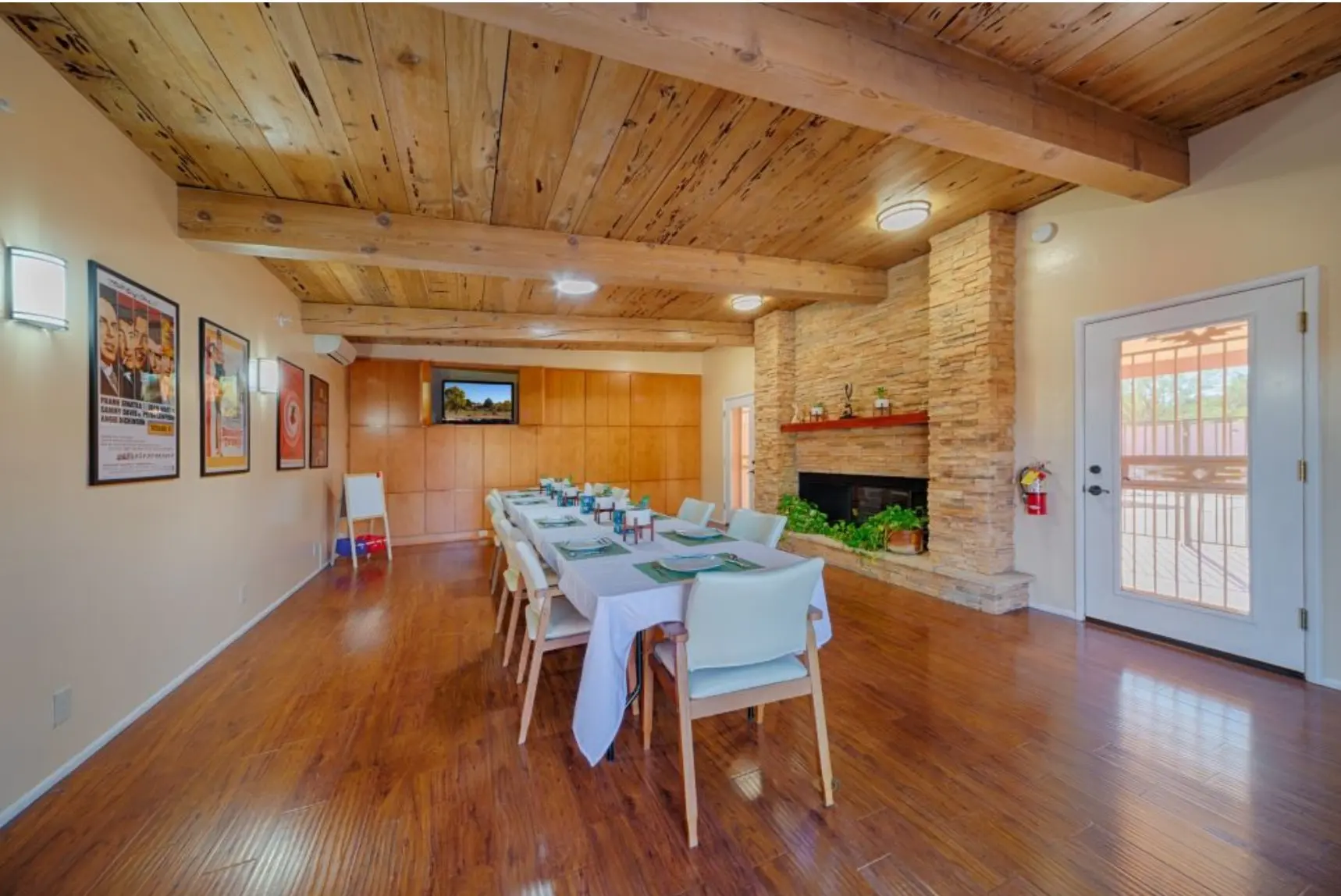
Choosing residential assisted living for a parent, spouse, or other loved one can feel very different from comparing ordinary senior living communities. In Tucson, families may be deciding between large campuses, smaller residential homes, memory care settings, and different levels of support across Pima County.
The best choice is not necessarily the place with the longest amenity list. It is the home that can safely meet your loved one’s needs, communicate clearly with your family, and provide an environment where they can feel comfortable day after day.
Quick answer: When comparing residential assisted living in Tucson, AZ, ask about licensing, care levels, caregiver qualifications, staffing, medication support, daily routines, dementia care, family communication, pricing, and what happens if your loved one’s needs change. Visit in person whenever possible and pay attention to how residents and caregivers interact, not just how the home looks.
What local families should know
-
Arizona assisted living facilities are licensed through the Arizona Department of Health Services, so families can verify licensing information when researching a home.
-
Arizona distinguishes among supervisory, personal, and directed care, making it important to ask what level of care a residence is licensed and prepared to provide.
-
A smaller residential setting can offer a very different daily experience from a large senior living campus, particularly for someone who prefers familiar faces and quieter surroundings.
-
Tucson’s heat makes indoor comfort, hydration practices, emergency planning, and safe access to outdoor spaces practical questions to discuss.
-
Location matters for families traveling from areas such as Catalina Foothills, Oro Valley, Fort Lowell, or other parts of Pima County for frequent visits.
Why Does Choosing the Right Residential Assisted Living Home Matter Locally?
Choosing the right residential assisted living home matters because the setting affects not only daily care but also how easily a loved one can settle into a new routine and remain connected with family. Tucson families should consider care needs, location, environment, and the home’s ability to adapt as those needs change.
Residential assisted living homes are generally smaller than traditional senior living campuses. That difference can affect everything from the number of people a resident sees each day to the distance between a bedroom, dining area, living room, and outdoor space.
The Gardens at San Carlos is a residential assisted living home in Tucson with space for ten residents. After this first mention, we encourage families to compare us with other options carefully and choose the setting that genuinely fits their loved one.
Here are 10 questions worth asking during that process.
1. Is the Assisted Living Home Properly Licensed?
A residential assisted living home should be appropriately licensed for the services and level of care it provides, and families should feel comfortable asking to review that information. The Arizona Department of Health Services regulates assisted living facilities and provides resources families can use when evaluating licensed care settings.
Arizona defines different levels of assisted living care, including supervisory care, personal care, and directed care. Those distinctions matter because a person who needs occasional assistance may have very different requirements from someone who cannot independently recognize danger or make basic care decisions.
Ask what the home is licensed to provide and whether your loved one’s current care needs fit within that scope.
2. What Level of Care Can You Provide Today and Later?
The right home should be able to explain clearly which needs it can support now and what would happen if those needs increase. This is especially important when a family expects mobility, personal care, medication, or cognitive needs to change over time.
Ask specifically about help with:
-
Bathing and grooming
-
Dressing
-
Toileting
-
Mobility and transfers
-
Medication
-
Meals and eating
-
Cognitive changes
-
Nighttime needs
Families should also ask what circumstances could eventually require a move to another care setting.
At our home, we provide assisted living, memory care, and respite care, and we assess individual needs to determine whether our setting is appropriate.
3. How Many Residents Live in the Home?
The number of residents influences the pace, atmosphere, relationships, and daily routines of residential assisted living. Some older adults enjoy a large community with extensive programming, while others are more comfortable in a smaller environment with fewer unfamiliar faces.
A residential setting can be particularly appealing to someone who has spent most of life in a traditional home and finds large buildings, elevators, long hallways, or busy common areas overwhelming.
Our home serves up to ten residents, each with a private room. Families comparing options around central and East Tucson should tour both smaller and larger communities when possible so they can see which environment feels more natural for their loved one.
4. Who Will Actually Be Caring for My Loved One?
Families should ask about the people providing everyday care, including their qualifications, training, supervision, and familiarity with residents. Credentials matter, but so does whether caregivers have enough opportunity to understand each resident’s habits, abilities, communication style, and preferences.
During a tour, ask:
-
What training do caregivers complete?
-
Are CPR and first aid requirements maintained?
-
How are background and fingerprint requirements handled?
-
Who supervises caregivers?
-
How are new staff members oriented?
-
What dementia-specific education is provided?
-
How are changes in a resident’s condition communicated?
Arizona licensing requirements provide an important baseline. Families should also ask how each home turns training into consistent day-to-day care.
5. How Are Medications and Changes in Health Handled?
Medication support and health changes should follow a clear process that families can understand before move-in. Ask who handles medication assistance or administration, how prescriptions are documented, and what happens when a caregiver notices a meaningful change in appetite, mobility, behavior, sleep, or overall condition.
You may also want to discuss how the home coordinates with outside healthcare professionals.
For families whose loved ones receive care through physicians or health systems elsewhere in Pima County, understanding that communication process can make appointments and changes in care easier to manage.
Ask what the home would do in both routine situations and urgent ones. A clear, specific answer is more useful than a general promise that everything will be handled.
6. What Does a Normal Day Look Like?
A good residential assisted living home should be able to describe an ordinary day, not only special activities or scheduled events. Daily quality of life often comes from simple routines such as meals, conversation, music, rest, movement, favorite television programs, time outside, and familiar interactions.
Ask how structured the schedule is and whether residents can choose not to participate.
In Tucson, outdoor time deserves additional attention. Pleasant mornings can provide opportunities to enjoy a courtyard or patio, while intense summer temperatures require sensible planning around heat and sun exposure.
At our home, activities are adapted to residents’ interests and abilities and may include music, stretching, creative activities, baking, storytelling, games, and classic films.
7. How Do You Support Residents With Dementia or Memory Changes?
A home providing dementia care should be able to explain how caregivers respond to memory loss, confusion, changing abilities, and individual behavioral or emotional needs. Even if your loved one does not currently require memory care, asking this question can help you plan for the future.
Look beyond whether a home simply says it accepts residents with dementia.
Ask about staff education, routines, environmental design, supervision, communication techniques, and how the team responds when a resident becomes anxious or confused.
For someone moving from a familiar home in Catalina Foothills, Midtown, or another long-established neighborhood, a smaller and easier-to-navigate environment may be worth considering if too much stimulation has become difficult.
8. How Will Our Family Stay Involved?
A strong assisted living relationship should include clear communication with the resident’s family or designated representatives. Ask whom you will contact with questions, how changes are communicated, and what visiting normally looks like.
Distance can make this especially important. A family member living in Oro Valley, Sahuarita, or outside the immediate area may not be able to stop by every day.
Ask whether you can speak directly with someone who knows your loved one rather than navigating multiple departments.
At our home, families can communicate directly with our management team, and regular family visits are welcomed. For later visits, group visits, or special arrangements, families can coordinate with us in advance.
9. What Is Included in the Monthly Price?
Assisted living pricing should be explained in enough detail that families understand both the expected monthly cost and what could cause that amount to change. Do not compare residences solely by the first number you receive.
Ask whether pricing changes based on:
-
Room selection
-
Level of personal care
-
Medication support
-
Mobility assistance
-
Incontinence care
-
Memory or directed care needs
-
Additional services
-
Short-term versus long-term stays
Also ask what forms of payment are accepted.
Our pricing depends on room selection and the resident’s level of care. We accept private pay and long-term care insurance, but we do not currently accept Medicaid. Families can request current details before deciding whether our home fits their budget.
10. What Happens if My Loved One’s Needs Change?
Families should know before move-in how the home responds when a resident needs more assistance, develops memory loss, experiences reduced mobility, or requires services beyond what the home can provide. Planning for change can reduce the likelihood of making another major decision during a crisis.
Ask for specific examples of situations that can continue to be managed within the home and situations that cannot.
The goal is not to find a residence that promises it can handle everything. No assisted living setting is appropriate for every medical need.
Instead, look for a team that explains its capabilities and limitations clearly and is willing to reassess care as circumstances change.
What Should You Look for During an Assisted Living Tour?
During an assisted living tour, look beyond décor and observe whether the home feels safe, comfortable, orderly, and genuinely lived in. The Arizona Department of Health Services recommends considering factors such as whether licensed facilities are clean, safe, and maintained in good repair.
Notice the smaller details.
Do caregivers greet residents naturally? Do residents appear comfortable approaching them? Are shared areas easy to navigate? Does the environment feel calm? Are bedrooms and common spaces appropriate for your loved one’s mobility needs?
Also ask to see outdoor areas. Tucson sunshine can be enjoyable during much of the year, but shade, accessibility, hydration, and appropriate timing are especially important during hotter months.
Warning Signs to Watch for When Comparing Care Homes
Warning signs deserve further questions rather than being dismissed because a property photographs well. Families evaluating residential assisted living should investigate concerns about transparency, staffing, communication, safety, and the ability to explain care practices.
Watch for:
-
Unclear answers about licensing or levels of care
-
Difficulty explaining who provides hands-on care
-
Vague or confusing pricing
-
Poor cleanliness or obvious maintenance problems
-
Limited information about medication procedures
-
No clear plan for changing care needs
-
Staff who seem unfamiliar with residents
-
Pressure to make a decision before your questions are answered
Trust your observations, but verify factual concerns whenever possible.
Residential Assisted Living vs. a Large Assisted Living Community
Residential assisted living generally provides a smaller, home-like environment, while larger communities may offer more residents, larger campuses, and broader amenity or activity schedules. Neither format is automatically better. The better option depends on the individual.
Someone who enjoys meeting many people and wants numerous scheduled activities may prefer a larger community.
Someone who is more comfortable with a quieter routine, shorter distances, private space, and a smaller group of familiar people may prefer residential care.
For families comparing options near Reid Park, Fort Lowell, central Tucson, and surrounding neighborhoods, visiting both types can make the difference much easier to understand.
Common Local Scenario
A common Tucson scenario is an older adult who has been living independently but gradually begins needing help with medications, bathing, meals, or mobility. Family members step in, but the amount of support needed continues to grow.
At first, the family may focus primarily on finding any available room.
A better approach is to identify the level of assistance needed, consider possible future changes, compare licensed settings, and tour the strongest candidates. Bringing these 10 questions to each visit creates a much clearer basis for comparison.
How Can The Gardens at San Carlos Help?
We provide residential assisted living for families who prefer a smaller, home-like care setting rather than a large institutional environment. Our services include assisted living, memory care, and respite care, with support based on each resident’s individual needs.
Families are welcome to learn about our approach, ask about current availability and pricing, and visit our home before deciding whether we are the right fit.
Frequently Asked Questions About Residential Assisted Living in Tucson
What is residential assisted living?
Residential assisted living provides personal support and care in a smaller residential setting rather than a large senior living campus. Depending on the home’s licensing and services, residents may receive help with activities such as bathing, dressing, mobility, meals, and medication while living in a home-like environment.
How do I verify an assisted living facility in Arizona?
You can verify licensing information through the Arizona Department of Health Services. Families researching residential assisted living in Tucson should consider reviewing a facility’s licensing information and available regulatory history in addition to touring the home and discussing the resident’s specific level of care.
What is the difference between personal care and directed care in Arizona?
Personal care generally includes assistance with activities of daily living, while directed care applies to residents who are unable to recognize danger, summon assistance, express their needs, or make basic care decisions. Ask each residence exactly which Arizona care levels it is licensed to provide.
Is a small assisted living home better for someone with dementia?
A smaller home can be a good fit for some people with dementia because there may be fewer unfamiliar people and less complicated space to navigate. The right choice still depends on the individual’s behaviors, mobility, medical needs, supervision requirements, and the home’s dementia care capabilities.
Should I choose an assisted living home close to my family?
Convenient location can make regular family involvement easier, so it is worth considering alongside quality of care. Families spread across Pima County may want to think realistically about travel time, work schedules, medical appointments, and how frequently relatives expect to visit.
How should Tucson families compare assisted living prices?
Compare the complete expected monthly cost rather than only advertised starting rates. Ask what the base price includes, which services cost extra, how changing care needs affect the rate, and what payment methods are accepted. Requesting the same information from each residence makes comparisons more meaningful.
When should a family begin looking at assisted living?
Begin exploring assisted living before providing care at home becomes unmanageable or unsafe whenever possible. Starting earlier gives families more time to tour residences, understand care levels, compare costs, check availability, and involve their loved one in the decision rather than choosing under emergency pressure.
What should I bring to an assisted living tour?
Bring a written list of your loved one’s current needs, medications, mobility concerns, daily routines, dietary considerations, and questions about future care. Using the same checklist at every Tucson residence helps your family compare options based on meaningful care factors rather than memory or first impressions alone.
Find a Residential Setting That Feels Right
Choosing residential assisted living is both a care decision and a quality-of-life decision. Ask detailed questions, verify the information that matters, and spend enough time in each home to understand what everyday life could actually feel like for your loved one.
Explore a More Personal Approach to Assisted Living in Tucson
Our small residential setting is designed for families seeking individualized support, familiar routines, and a comfortable place their loved one can call home.